Quality Floor Finishers compares carpet, tile, and LVT for basements, bathrooms, and beyond.
Hardwood is a great fit for most of a home — but not all of it. Bathrooms, basements, mudrooms, and laundry rooms all deal with moisture in ways living rooms and bedrooms don't, and the wrong flooring choice in those spaces can lead to warping, mold, or a much shorter lifespan than you'd expect.
Instead of comparing materials in the abstract, think about it room by room.
Bathrooms
Bathrooms deal with standing water, shower humidity, and temperature swings—conditions that are hard on almost any flooring except a few specific options.
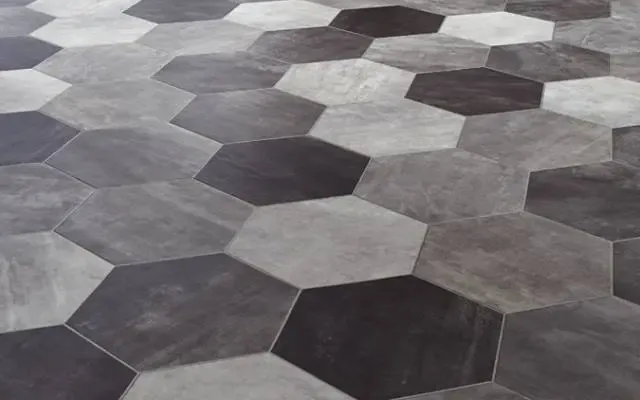
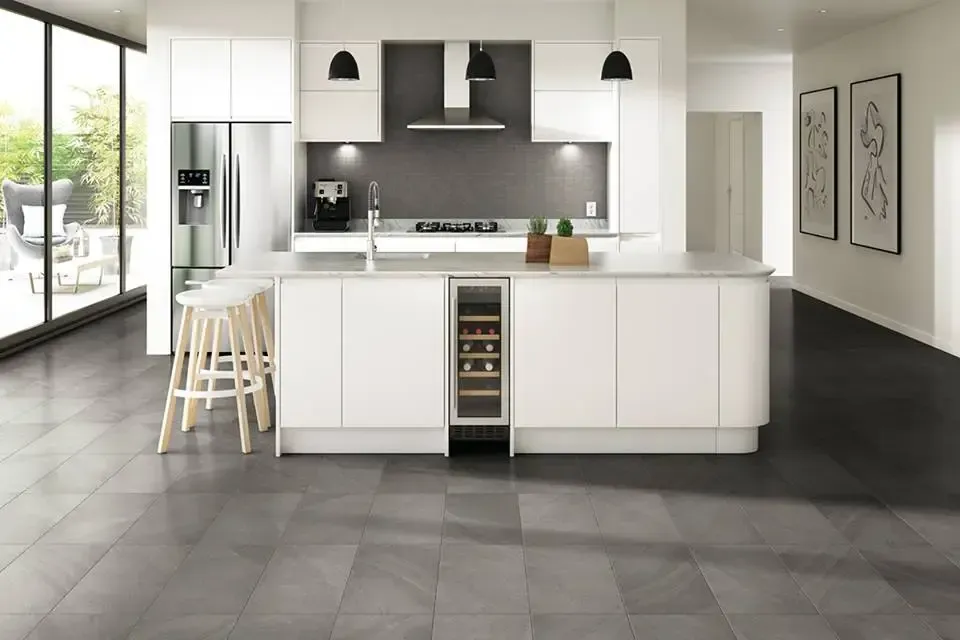
Tile is the traditional and most water-resistant choice for bathrooms. Porcelain and ceramic tile handle moisture without issue, are easy to clean, and hold up well over decades. The tradeoff is a harder, colder surface underfoot (radiant heating is a popular add-on for this reason) and grout lines that need periodic maintenance.
LVT (Luxury Vinyl Tile) has become a strong alternative in bathrooms, especially for homeowners who want a warmer, softer surface than tile. Fully waterproof LVT handles splashes and humidity well, installs with fewer seams than tile, and comes in styles that convincingly mimic wood or stone.
Carpet is not recommended for bathrooms. Even with modern moisture-resistant backing, carpet in a bathroom tends to trap humidity and is difficult to fully dry out, creating conditions for mold and mildew over time.
Best fit: Tile for maximum durability and water resistance; LVT if comfort underfoot and easier installation matter more.
Basements
Basements bring a different challenge than bathrooms — less standing water, but more risk of ambient moisture, occasional dampness from the foundation, and colder subfloor temperatures.
LVT/LVP is one of the most popular choices for basements right now, and for good reason. It's fully waterproof, handles temperature fluctuations well, and doesn't require the same subfloor prep as hardwood. It's a strong option whether you're finishing a basement for the first time or replacing older flooring that didn't hold up.
Tile also performs well in basements, especially near a walkout door, utility space, or anywhere moisture is more likely. It's more labor-intensive to install than LVT, but offers excellent long-term durability.
Carpet can work in a finished basement used as a living space, but it comes with real caveats. If there's any risk of moisture from the foundation, carpet padding can hold onto that moisture and lead to odor or mold issues that aren't always visible until they're a bigger problem. If you do choose carpet for a basement, moisture-resistant padding and a vapor barrier are worth the investment.
Best fit: LVT/LVP for the best balance of comfort, water resistance, and cost; tile if you want maximum durability in a high-traffic or moisture-prone basement.
Laundry Rooms and Mudrooms
These smaller spaces deal with a mix of tracked-in water, dirt, and the occasional appliance leak.
Tile and LVT both handle this combination well, with LVT offering an easier, faster installation for a smaller space. Either is a significant upgrade over carpet, which tends to show wear and stains quickly in these high-traffic, high-moisture zones.
What About Hardwood in These Rooms?
Solid hardwood generally isn't recommended for bathrooms or basements, and we'd be doing you a disservice if we told you otherwise just to sell more hardwood. Even well-sealed hardwood can warp or cup with sustained moisture exposure, and once that happens, refinishing can't always undo the damage. If you love the look of wood in these spaces, wood-look LVT is usually the better long-term choice.
Frequently Asked Questions
Is LVT actually waterproof, or just water-resistant? It depends on the product. Many modern LVT and LVP products are fully waterproof at the core, but "water-resistant" products offer less protection and aren't ideal for wet areas. We can point you to specific waterproof options in our showroom.
Can I put carpet in a finished basement? Yes, but only with precautions. Moisture-resistant padding and, ideally, a vapor barrier under the subfloor are recommended if there's any history of dampness. A fully dry, well-insulated basement is a better candidate for carpet than one with a history of moisture issues.
What's the most durable flooring for a bathroom? Porcelain tile is generally considered the most durable and water-resistant option for bathrooms, able to handle decades of moisture exposure with minimal maintenance beyond grout care.
Is tile or LVT better for a cold Maine basement? Both perform well, but LVT tends to feel warmer underfoot than tile, which can matter in an unheated or lightly heated basement. Tile paired with radiant floor heating is a popular solution if you want tile's durability without the cold surface.
Does LVT look as good as real hardwood or tile? Modern LVT has come a long way — many products convincingly replicate the look of wood grain or natural stone, and it's often difficult to tell the difference without touching the surface. We recommend seeing samples in person to judge for yourself.
How do I know which option fits my budget and space? That's exactly what our showroom is for. We carry a range of tile, LVT, and carpet options at different price points, and can walk you through what makes sense for your specific room and how you use it.
See and Feel the Options in Person
Photos only tell you so much — the best way to choose between carpet, tile, and LVT is to see samples in person and talk through what fits your space and budget.
Ready to explore your options? Contact Quality Floor Finishers or visit our showroom at 442 U.S. Route 1, Scarborough, ME to see samples of tile, LVT, and carpet firsthand.
Quality Floor Finishers has served the Southern Maine Seacoast since 1987, offering hardwood, tile, LVT, and carpet flooring along with expert, in-house sanding and refinishing.