Learn how heating season affects wood, and simple steps to prevent gaps, cracking, and damage.
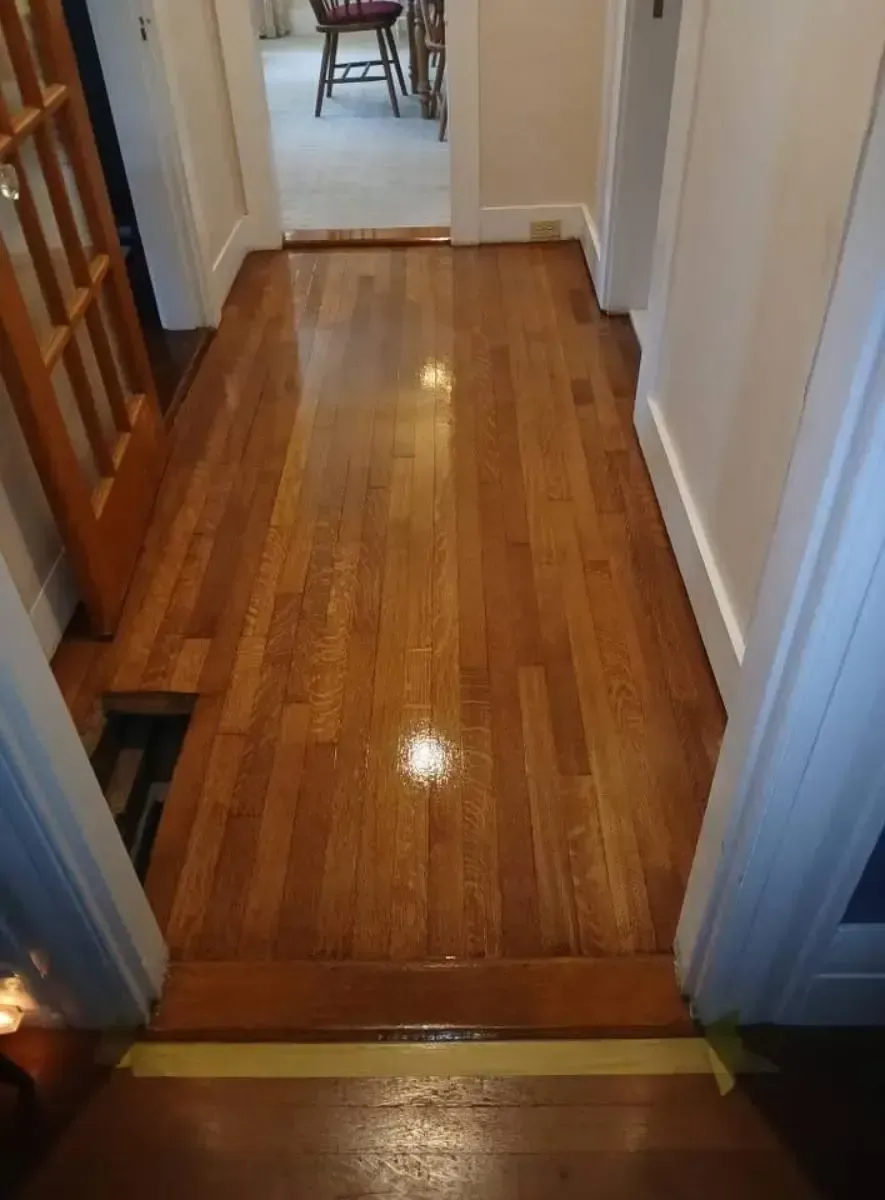
If you've lived in a Maine home with hardwood floors for more than one winter, you've probably noticed it: small gaps appearing between boards in January and February, then quietly closing back up by summer. That's not a flaw in your floor — it's wood doing exactly what wood does. But if you don't manage it, seasonal movement can turn into real damage over time.
Here's what's actually happening to your floors once the furnace kicks on, and how to keep them in good shape through the cold months.
Why Winter Is Hard on Hardwood
Wood is a natural material, and it responds to moisture in the air by expanding and contracting. In summer, Maine's humid air keeps wood boards slightly swollen, with tight seams. Once heating season starts, forced-hot-air and baseboard systems dry out indoor air dramatically — often down to levels closer to a desert than a New England home. The wood loses moisture and shrinks, and those small gaps between boards show up.
For most floors, this is completely normal and reverses itself by spring. Problems start when:
- Humidity swings are extreme, causing boards to shrink and swell more aggressively than the finish can handle
- Heat sources sit too close to the floor — wood stoves, baseboard heaters, and floor vents can create localized dry spots and even cause cupping or cracking right around them
- The same gaps keep getting wider each year, which can signal the floor wasn't properly acclimated during installation
Signs Your Floors Need Attention This Winter
- Gaps between boards that seem wider than in previous years
- Boards that feel slightly raised at the edges (cupping) near heat sources
- Cracking or splitting concentrated in one area, especially near a wood stove or radiator
- Finish that looks unusually dull or dry compared to the rest of the floor
Most of these issues are manageable with adjustments to your home's humidity — but if cracking or cupping is happening, it's worth having someone look at the finish before it wears through to bare wood.
How to Protect Your Floors Through Heating Season
Use a humidifier. Keeping indoor relative humidity between roughly 35–45% during winter is one of the single best things you can do for hardwood floors. A whole-home humidifier tied to your furnace is ideal, but a portable unit in main living areas also helps.
Keep furniture and rugs breathing. Heavy rugs left in the same spot all winter can trap moisture differently than the surrounding floor, creating uneven expansion. Rotating rugs occasionally allows the wood underneath to acclimate evenly.
Watch heat sources. If you use a wood stove or space heater, keep it a reasonable distance from the floor and consider a heat-resistant mat underneath. Constant, direct dry heat on one section of floor is one of the most common causes of localized cracking.
Don't panic about small seasonal gaps. A little bit of movement between boards each winter is expected, especially in older homes. Gaps that close up again by summer are not a sign of failure — they're a sign the wood is doing what it's supposed to do.
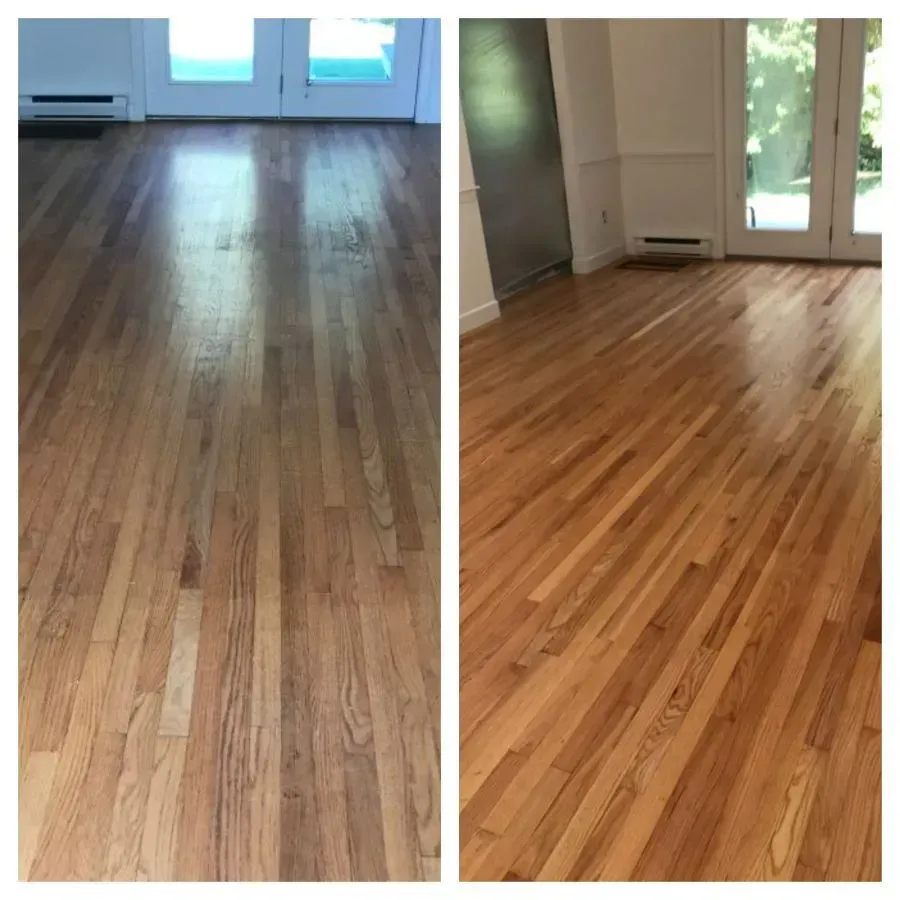
Get your finish checked periodically. A worn or thin finish leaves wood more exposed to humidity swings. If it's been several years since your floors were refinished, winter dryness will show it faster than at any other time of year.
When It's More Than Just Seasonal Movement
If you're seeing wide, permanent gaps that don't close in summer, boards that stay cupped year-round, or cracking that's getting worse each season, that's a sign the floor may need attention beyond just humidity control — whether that's refinishing to restore a protective coat, or addressing an underlying moisture issue in the home.
Frequently Asked Questions
Is it normal for hardwood floors to have gaps in the winter? Yes. Small, temporary gaps between boards during heating season are completely normal in Maine's climate, especially in homes with forced-hot-air or baseboard heat. They typically close back up once humidity returns in the warmer months.
What humidity level is best for hardwood floors in winter? Most flooring manufacturers recommend keeping indoor relative humidity between 35% and 45% year-round. A hygrometer (inexpensive and widely available) is the easiest way to keep track.
Can dry winter air damage the finish on my floors, not just the wood? Yes. Extremely dry air can cause finishes to become brittle over time, especially older finishes. This is one reason floors in heated Maine homes often need refinishing sooner than the "every 7–10 years" rule of thumb suggests.
Should I turn my humidifier off in the summer? Generally yes — summer humidity in Maine is usually sufficient on its own, and running a humidifier when it's already humid can push moisture levels too high, causing boards to swell and buckle.
Are engineered hardwood floors less affected by winter dryness than solid hardwood? Somewhat. Engineered hardwood's layered construction makes it more dimensionally stable than solid hardwood, so it typically shows less seasonal gapping. It's still a good idea to manage indoor humidity regardless of which type you have.
My floors have gaps that never close, even in summer. What should I do? That's worth having looked at. It could mean the floor wasn't fully acclimated before installation, or that consistent low humidity over time has caused permanent movement. A member of our team can take a look and let you know whether refinishing or another fix makes sense.
Protect Your Floors Before the Cold Sets In
The best time to address hardwood floor care is before heating season is in full swing — not after you've noticed a problem. If it's been a while since your floors were refinished, or you're seeing signs of winter wear, we're happy to take a look and give you an honest recommendation.
Ready to get your floors winter-ready? Contact Quality Floor Finishers for a free estimate, or stop by our showroom at 442 U.S. Route 1, Scarborough, ME.
Quality Floor Finishers has served the Southern Maine Seacoast since 1987, offering hardwood, tile, LVT, and carpet flooring along with expert, in-house sanding and refinishing.